Similar Posts
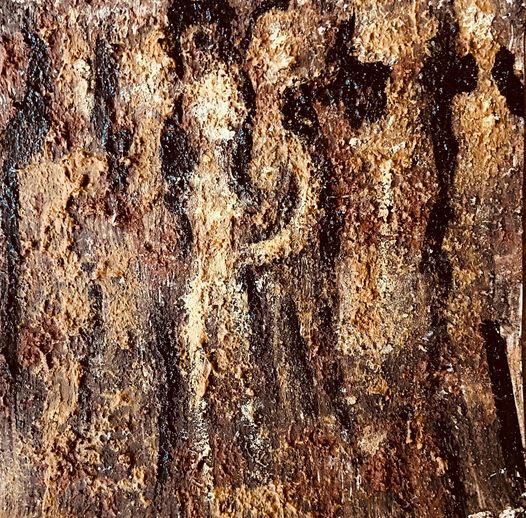
The fellow hiding in this picture is easy to find, right
The fellow hiding in this picture is easy to find, right
Rites of Passage
Artist: Moyo Okediji
Title: Rites of Passage
Medium: silicon on paper
Date: 2020
OLÓDÙMARÈ
OLÓDÙMARÈ is what I have written here, using the Yoruba alphabet that I just designed. It…
Wèrèpè
Wèrèpè má so mọ́.
Devil bean weed, stop producing seeds,
Èyí tó o so lésǐn,
The seeds you produced last season
Baba ẹnìkan ò ka.
Yemoja Protecting her Children (Earth Day).
Title: Yemoja Protecting her Children (Earth Day).
Medium: acrylic on canvas
Size: 76″ x 64″
Date: April 2021
Yemoja, Oya, and Osun are female divinities whose duties include protecting the earth, cleansing it and engineering regeneration.
Captive No More (Part II)
Captive No More (Part II)
3.
When they snatched my grandfather
from the breasts of his mother,
he lacked the language
to grasp or describe
what did happen
and was happening to him
.
In those days,
mothers breastfed their infants
for three solid seasons,
some four, some longer.